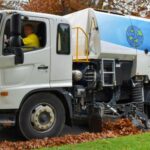
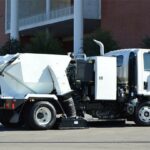
Built to Last & Fully Tailored: Top-tier garbage, sweeper and sewer trucks crafted for unrivaled durability. A trusted choice for municipal governments across the globe.
Africa Benefits from Delivery of High-Capacity Sweeper Trucks for Urban Sanitation
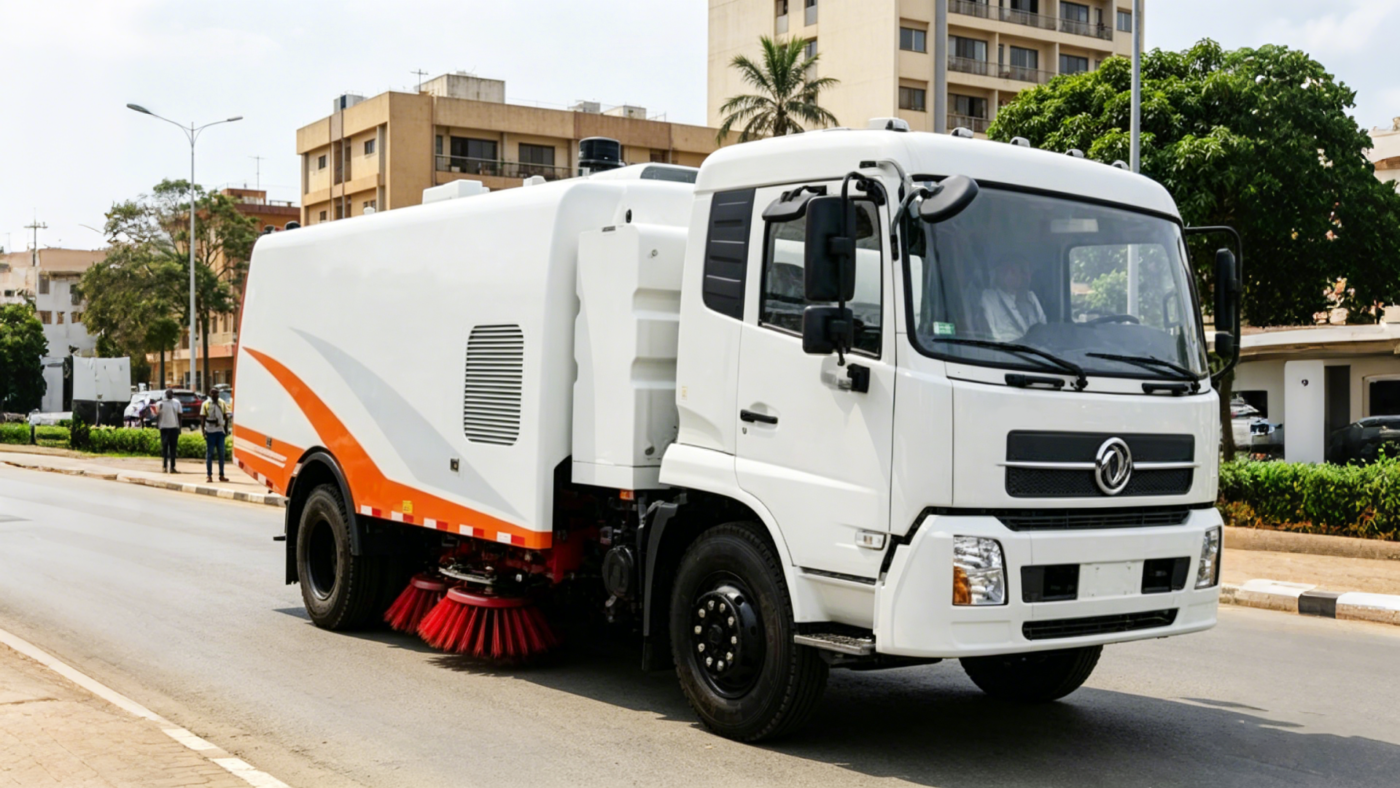
Across the African continent, a quiet but significant transformation is underway. From the bustling streets of Nairobi to the coastal corridors of Mombasa and the expanding road networks of South Africa, high-capacity sweeper trucks are arriving in growing numbers—bringing with them the promise of cleaner cities, healthier communities, and a more dignified future for urban sanitation.
This article explores how these deliveries are reshaping Africa’s urban landscape, the technologies behind modern sweeper trucks, and what this means for the continent’s development trajectory.
The Scale of Africa’s Urban Sanitation Challenge
Africa is urbanizing faster than any other region in the world. Cities are expanding at unprecedented rates, yet municipal infrastructure has struggled to keep pace. Roadside litter, wind-blown debris, and accumulated dust not only mar the visual appeal of urban centers but also pose serious public health risks.
Inadequate road cleaning contributes to drainage blockages, which in turn exacerbate flooding during rainy seasons. Dust and particulate matter aggravate respiratory conditions among urban populations. For a continent already grappling with infectious diseases, these environmental factors add another layer of pressure on already-strained healthcare systems.
Recognizing these challenges, governments across Africa are increasingly turning to mechanized solutions. High-capacity sweeper trucks—purpose-built vehicles that combine sweeping, vacuum collection, and sometimes washing functions—have emerged as a cornerstone of modern urban sanitation strategies.
The Technology Behind Modern Sweeper Trucks
High-Capacity Systems
Modern sweeper trucks designed for African conditions incorporate several key features. The chassis platforms prioritize durability, strong load capacity, and stable performance on challenging road conditions—essential for African urban and suburban environments.
The sweeping bodies are manufactured from high-strength steel, ensuring structural integrity, wear resistance, and long service life under continuous operation. These vehicles are designed to tackle a wide range of debris, dust, and litter from highways and city streets, with powerful suction systems capable of maintaining extensive road networks efficiently.
Vacuum Systems and Dust Suppression
A key advancement in modern sweeper trucks is the integration of vacuum and pressure systems that clean tarmacked roads without raising dust. Instead of simply pushing debris around, these vehicles use suction to collect dirt and litter into an internal tank, which is later emptied automatically at designated waste points.
This approach dramatically reduces airborne dust—a critical advantage for respiratory health in densely populated urban areas.
Complementing, Not Replacing, Human Workers
A noteworthy aspect of Africa’s road-cleaning revolution is that mechanization is being implemented alongside—not instead of—human workers. In Kigali, Rwanda, widely regarded as one of Africa’s cleanest cities, the introduction of a smart street-cleaning truck has been explicitly framed as a complementary system.
The truck operates primarily at night, covering open tarmac and road surfaces, while manual workers continue to handle flower beds, drainage ditches, and sidewalks.
This balanced approach improves public health, reduces worker fatigue, and increases cleaning efficiency.
Why High-Capacity Sweeper Trucks Matter for Africa
Environmental and Health Benefits
The health benefits of reduced street dust are well documented. Fine particulate matter (PM2.5 and PM10) has been linked to respiratory diseases, cardiovascular conditions, and premature mortality.
By capturing these particles, sweeper trucks contribute directly to improved urban air quality and public health.
Economic and Livability Impacts
For cities seeking to attract investment and tourism, cleanliness is a key determinant of livability. A clean city signals effective governance and enhances urban competitiveness. The deployment of high-capacity sweeper trucks supports broader urban development goals.
Public-Private Partnerships
Many deployments are supported by public-private partnerships, including technical training and after-sales support. These collaborations help build long-term municipal sanitation capacity across African cities.
Looking Ahead: A Cleaner Urban Future
The arrival of high-capacity sweeper trucks across Africa represents more than equipment delivery. It signals a shift toward mechanized, efficient, and sustainable urban sanitation systems.
As cities continue to grow, investment in mechanized road cleaning equipment will play a critical role in shaping healthier, cleaner, and more livable urban environments.
Conclusion
The deployment of high-capacity sweeper trucks across Kenya, South Africa, Zimbabwe, Tanzania, and other African nations demonstrates a strong commitment to modern urban sanitation.
These machines are not just vehicles—they are tools for public health improvement, environmental protection, and urban modernization.
As Africa continues to urbanize, the importance of efficient mechanized street cleaning solutions will only increase, helping cities move toward a cleaner and more sustainable future.