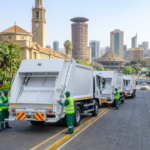
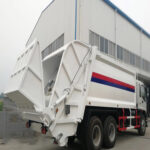
Built to Last & Fully Tailored: Top-tier garbage, sweeper and sewer trucks crafted for unrivaled durability. A trusted choice for municipal governments across the globe.
African Nations Boost Sanitation with New Cleaning Vehicles
March 27
For decades, rapid urbanization across Africa has outpaced the capacity of municipal waste management systems. Streets clogged with refuse, drainage channels choked with silt, and clouds of dust hanging over busy districts were accepted as inevitable side effects of growth. But that narrative is changing. From Accra to Nairobi to Luanda, governments are making sanitation a strategic priority—and a key part of that shift is the deployment of modern, purpose-built cleaning vehicles.
This is not merely about buying new machinery. It represents a fundamental rethinking of how cities maintain public space, protect public health, and build resilience against climate-related challenges like flooding.
The Urban Sanitation Challenge
Africa is home to some of the fastest-growing cities in the world. With growth comes an explosion of waste: household refuse, commercial litter, silt from unpaved roads, and debris from construction. Traditional manual sweeping and outdated collection fleets have struggled to keep up. The consequences are severe—blocked drains lead to devastating floods after heavy rains, while accumulated dust and uncollected waste contribute to respiratory illnesses and vector-borne diseases.
In response, national governments and city authorities are moving from reactive cleanup campaigns to systematic, mechanized street cleaning. Modern fleets are being deployed not as a luxury, but as essential infrastructure.
Three Workhorses of the New Approach
While the specific vehicles vary by city, three types have emerged as common pillars of these upgraded sanitation systems:
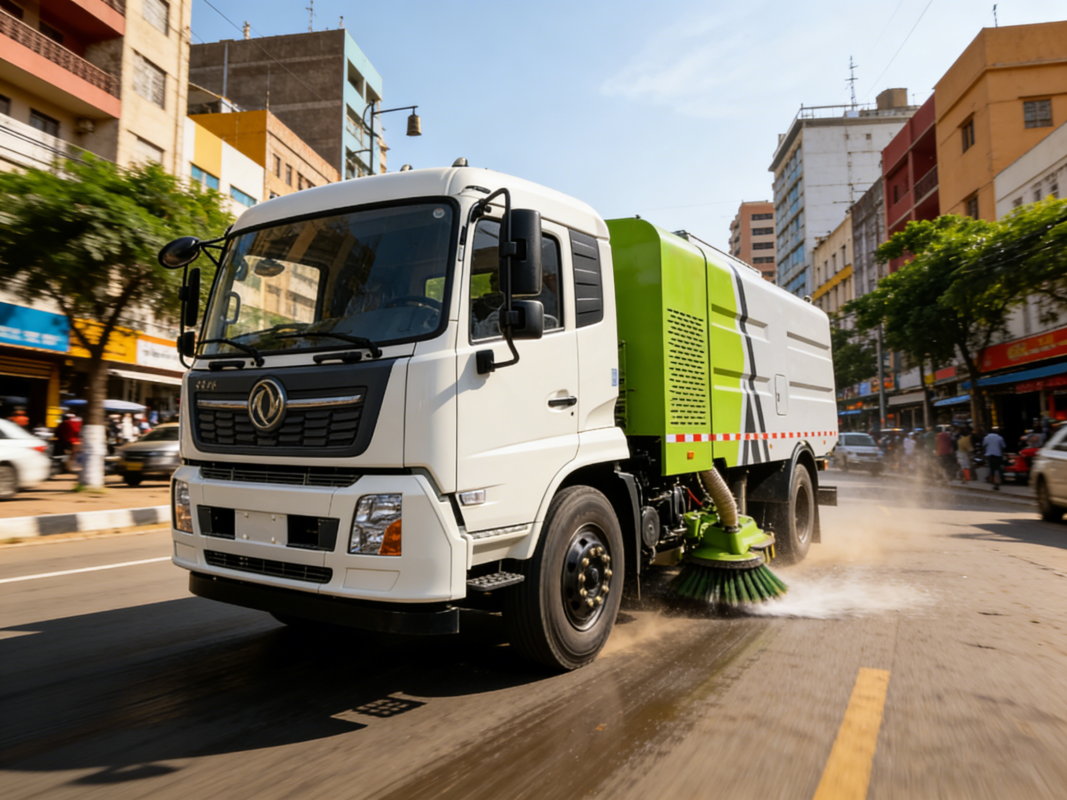
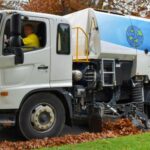
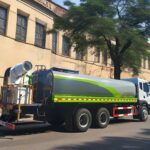
Road sweeper trucks handle daily street cleaning, using rotating brushes and vacuum systems to remove litter and loose debris efficiently across large urban areas. Water sprinkler trucks combat the persistent dust that plagues many dry-season cities, laying down a fine mist that improves air quality and cools road surfaces. Combined sweeper jetter trucks offer a powerful solution for heavy-duty cleaning, using high-pressure water to dislodge compacted sludge from drains and then vacuuming it away in a single pass—critical for flood prevention.
These are not just individual machines; they work as a coordinated system, each addressing a different layer of urban grime.
Beyond Clean Streets: Real-World Impact
The investment in new cleaning vehicles is delivering tangible benefits that go far beyond aesthetics.
Public health improvements are perhaps the most immediate. By removing waste quickly and controlling dust, cities reduce the prevalence of respiratory infections and limit breeding grounds for mosquitoes and rodents. In coastal and riverine cities, the ability to clear drains before rainy seasons has directly reduced cholera outbreaks linked to contaminated floodwater.
Flood risk reduction is another critical outcome. Many African cities are low-lying and prone to flash floods. A single blocked drain can inundate a neighborhood. Modern vacuum trucks and jetter units allow crews to proactively desilt major drainage arteries—a task that was previously slow, dangerous, and often neglected when done manually.
Economic dividends follow. Clean central business districts attract investment, encourage foot traffic, and support local commerce. Cities that maintain their public spaces signal competence and stability, which matters to both domestic entrepreneurs and foreign investors. Tourism, too, benefits when visitors encounter orderly, hygienic environments.
Building Capacity for the Long Term
One of the most important lessons from past infrastructure efforts is that vehicles alone are not enough. Without maintenance, fleets quickly fall into disrepair. Recognizing this, many nations are pairing their acquisitions with training programs for drivers, mechanics, and fleet managers. Local technicians are learning to maintain hydraulic systems, sweeping mechanisms, and high-pressure pumps, ensuring that these assets remain operational for years.
Technology is also playing a role. GPS tracking and route optimization software help cities maximize efficiency, ensuring that each vehicle covers the most critical areas at the right times. Data collected from daily operations informs long-term planning—identifying trouble spots, measuring performance, and justifying further investment.
Looking Ahead
The push for mechanized sanitation is still in its early stages, but momentum is building. As more cities expand their fleets and professionalize their sanitation departments, the vision of clean, functional, and resilient urban spaces comes into focus.
The work is not finished. Funding gaps remain, and the need for complementary infrastructure—such as proper landfills and recycling facilities—grows alongside the fleets. Yet the direction is clear. Across the continent, a new generation of cleaning vehicles is helping African nations take control of their urban environments, one street, one drain, one neighborhood at a time.
In doing so, they are proving that sanitation is not merely a municipal expense. It is an investment in public health, economic vitality, and the dignity of the millions who call Africa’s cities home.