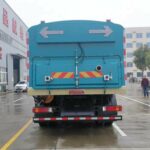
Built to Last & Fully Tailored: Top-tier garbage, sweeper and sewer trucks crafted for unrivaled durability. A trusted choice for municipal governments across the globe.
What Controls a Street Sweeper Truck’s Suction Fan Body?
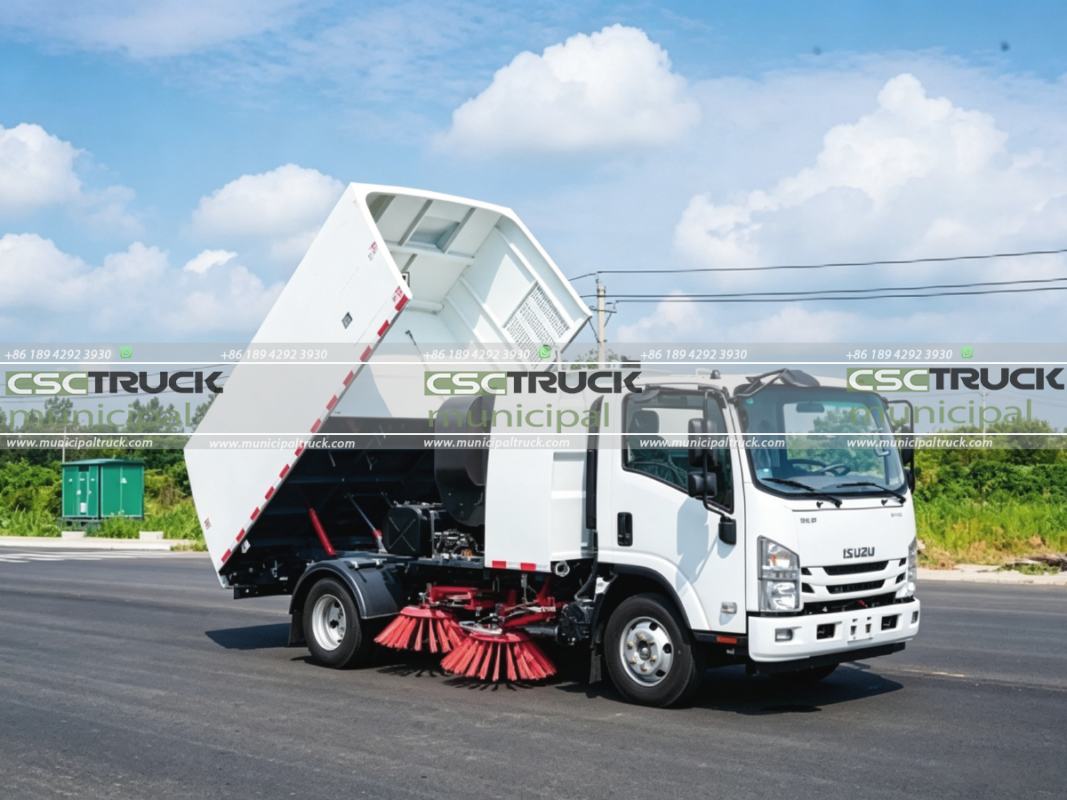
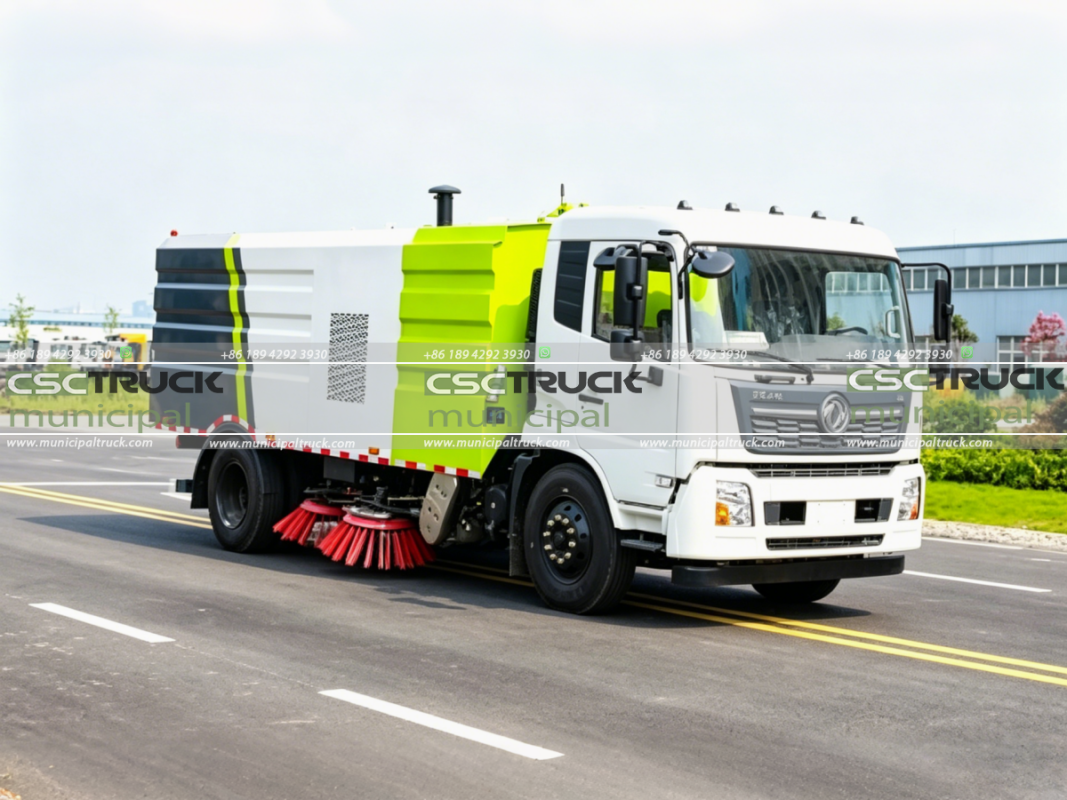
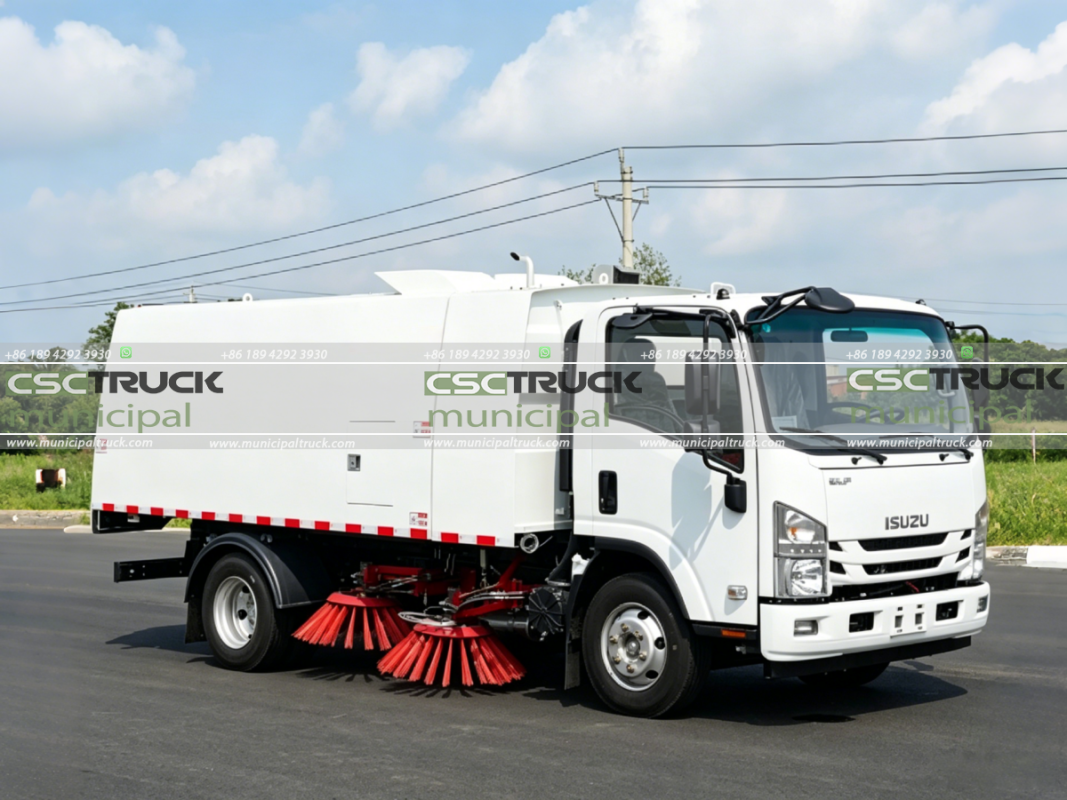
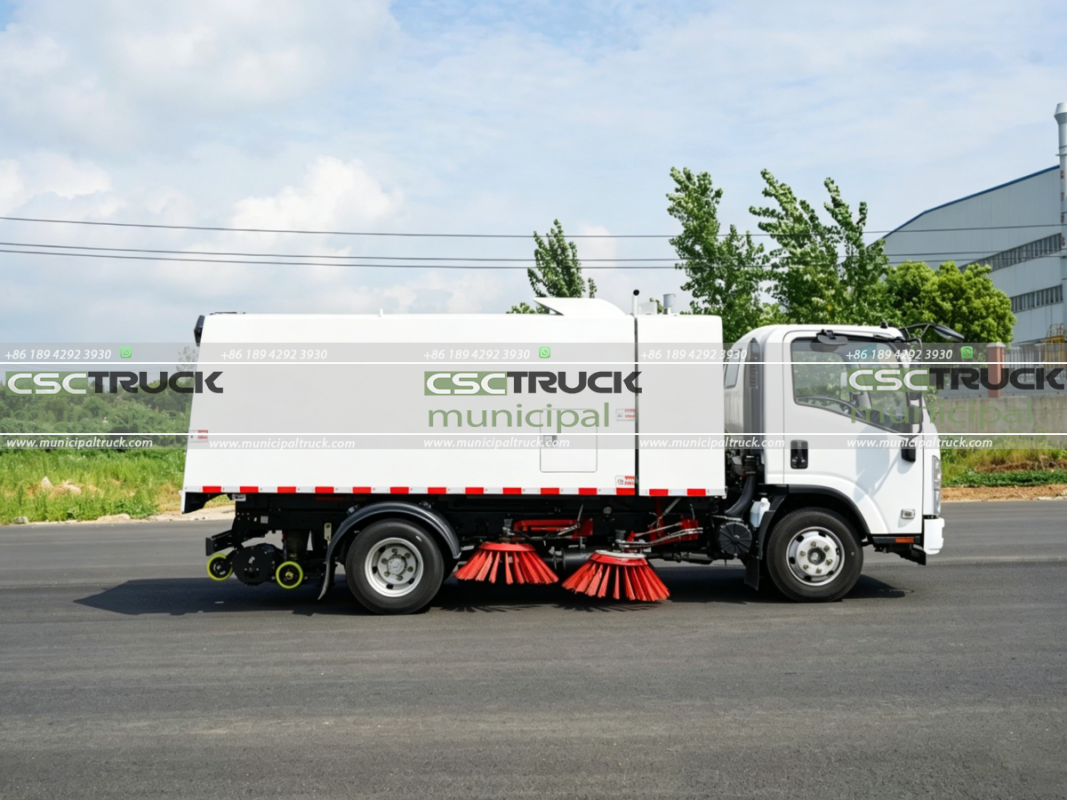
Modern cities depend on clean streets to maintain public health, reduce dust pollution, and improve urban appearance. Behind every efficient street sweeper truck is a powerful suction system that removes debris, dust, leaves, and waste from roads. At the center of this system is the suction fan body — a critical component responsible for generating airflow and vacuum pressure.
But what exactly controls the suction fan body of a sweeper truck? The answer involves a combination of hydraulic systems, engine power, electronic controls, and mechanical design. Understanding these control mechanisms helps fleet operators improve performance, reduce maintenance costs, and extend equipment life.
Understanding the Suction Fan Body
The suction fan body is essentially the “heart” of the vacuum system in a street sweeper truck. Its main function is to create negative air pressure that draws debris into the hopper through suction nozzles and pipes.
Depending on the sweeper design, the fan body may be:
Directly driven by the auxiliary engine
Hydraulically powered
PTO-driven (Power Take-Off)
Electrically controlled in newer smart sweepers
The efficiency of the suction fan directly affects cleaning performance, fuel consumption, and operational reliability.
Main Factors That Control the Suction Fan Body
1. Hydraulic System Control
In many modern street sweeper trucks, the suction fan is controlled by a hydraulic motor system. Hydraulic pressure regulates the fan speed and suction intensity.
Key hydraulic components include:
Hydraulic pumps
Control valves
Hydraulic motors
Pressure regulators
Oil cooling systems
When the operator increases hydraulic flow, the fan rotates faster, producing stronger suction power. This allows the sweeper to adapt to different road conditions and debris types.
For example:
Light dust requires lower suction
Wet leaves and heavy debris require stronger airflow
Hydraulic control provides smoother operation and better energy efficiency compared to older mechanical systems.
2. Auxiliary Engine or PTO System
Some heavy-duty street sweepers use a separate auxiliary engine dedicated to powering the fan body and sweeping mechanisms.
In PTO-driven systems, power comes directly from the truck’s main engine through the transmission. The PTO transfers rotational energy to the suction fan assembly.
The control factors include:
Engine RPM
PTO engagement
Torque transmission
Drive belt or shaft condition
Higher engine speed usually increases fan speed and suction capacity. However, excessive RPM may lead to increased wear, fuel consumption, and noise.
3. Electronic Control Units (ECU)
Advanced street sweeper trucks now use electronic control systems to optimize fan operation automatically.
The ECU (Electronic Control Unit) monitors:
Fan speed
Hydraulic pressure
Hopper airflow
Dust suppression systems
Engine load
Temperature sensors
Using real-time data, the ECU adjusts suction performance for maximum efficiency. Smart systems can even reduce fan speed when full suction is unnecessary, helping lower fuel usage and emissions.
Electronic controls also improve safety by detecting:
Fan imbalance
Overheating
Blockages
Hydraulic overload
This predictive monitoring reduces unexpected downtime.
4. Fan Blade Design and Mechanical Structure
The physical design of the suction fan body itself also plays a major role in performance control.
Important factors include:
Blade angle
Fan diameter
Housing shape
Material strength
Dynamic balance
A well-designed centrifugal fan produces stronger airflow while minimizing vibration and noise.
Manufacturers often use:
High-strength steel
Wear-resistant alloys
Lightweight aluminum components
to improve durability and operational efficiency.
5. Airflow and Vacuum Regulation
Street sweepers must maintain balanced airflow to achieve efficient debris collection.
Several components help regulate airflow:
Suction nozzles
Air ducts
Vacuum chambers
Hopper filters
Dust separators
If airflow becomes restricted due to clogging or filter buildup, the suction fan body cannot operate efficiently. Regular cleaning and maintenance are therefore essential.
Some sweepers include automatic airflow adjustment systems that maintain constant suction pressure under changing operating conditions.
6. Operator Control Interface
Ultimately, the operator plays a major role in controlling the suction fan body.
Inside the cab, operators can typically adjust:
Fan speed
Sweeping mode
Suction intensity
Water spray activation
Hydraulic settings
Modern touchscreen control panels simplify operation and allow operators to optimize performance for different environments such as:
Urban streets
Highways
Industrial zones
Construction sites
Proper operator training significantly improves cleaning efficiency and reduces mechanical wear.
Common Problems Affecting Suction Fan Performance
Several issues can reduce the effectiveness of a street sweeper suction fan body:
Hydraulic Failures
Low hydraulic oil pressure
Leaking hoses
Pump wear
Mechanical Wear
Damaged fan blades
Bearing failure
Shaft misalignment
Airflow Restrictions
Clogged filters
Debris blockage
Damaged ducts
Electronic Malfunctions
Sensor failures
ECU communication errors
Faulty control modules
Routine inspections and preventive maintenance are critical for maintaining stable suction performance.
Future Trends in Street Sweeper Fan Control
The street sweeping industry is moving toward smarter and more sustainable technologies.
Emerging trends include:
Electric-powered sweepers
Variable-speed intelligent fans
IoT monitoring systems
AI-assisted maintenance diagnostics
Energy-efficient vacuum systems
These innovations aim to reduce emissions, lower operating costs, and improve cleaning precision in urban environments.
Conclusion
The suction fan body of a street sweeper truck is controlled through a sophisticated combination of hydraulic systems, engine power, electronic controls, airflow regulation, and mechanical engineering. Each component works together to ensure strong, reliable suction performance under varying road conditions.
As street sweeper technology continues to evolve, intelligent control systems and energy-efficient designs are becoming increasingly important. For fleet managers and operators, understanding how the suction fan body works is essential for maximizing productivity, minimizing downtime, and extending equipment lifespan.
A well-maintained suction fan system not only improves street cleanliness but also contributes to safer, healthier, and more sustainable cities.