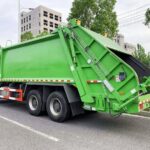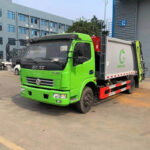
In a decisive step toward modernizing urban sanitation, Egypt has introduced a new fleet of compactor garbage trucks to strengthen waste management operations in Cairo. The initiative reflects the government’s broader commitment to improving public services, enhancing environmental sustainability, and addressing the mounting challenges of waste collection in one of the world’s most densely populated cities.
As Cairo continues to grow, so does the complexity of managing municipal solid waste. The arrival of these high-capacity compactor trucks marks a practical and forward-looking solution designed to increase efficiency, reduce environmental impact, and support a cleaner urban environment.
A Major Upgrade for Cairo’s Waste Collection System
Cairo generates thousands of tons of municipal waste daily, placing enormous pressure on existing infrastructure. Traditional collection methods—often involving aging vehicles and manual handling—have struggled to keep pace with demand.
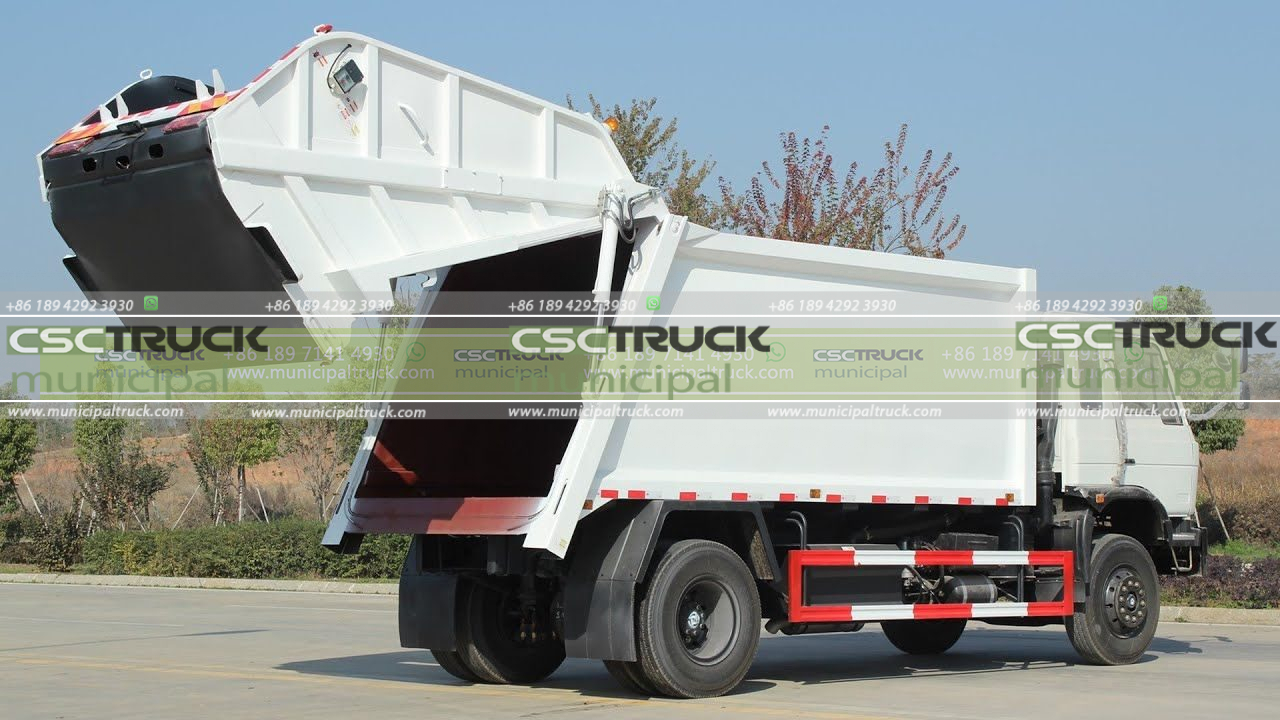
The newly delivered compactor garbage trucks are engineered to address these challenges through:
- High-efficiency hydraulic compaction systems that significantly reduce waste volume.
- Sealed rear-loading mechanisms to prevent leakage and odor spread.
- Automated lifting devices that minimize manual labor.
- Large-capacity storage bodies to reduce the number of daily disposal trips.
By compressing waste directly inside the truck body, these vehicles allow sanitation teams to collect more refuse per route, optimizing fuel usage and operational time.
Enhancing Operational Efficiency
One of the most immediate benefits of the new fleet is improved productivity. With higher load capacities and advanced compaction technology, each truck can service more neighborhoods in a single shift.
Operational improvements include:
- Reduced turnaround time between landfill trips
- Lower fuel consumption per ton of collected waste
- Streamlined route management
- Improved reliability compared to aging equipment
These efficiencies translate into cost savings for municipal authorities while delivering more consistent services to residents.
Strengthening Worker Safety and Public Health
Waste management is a critical public health function. Outdated systems can expose workers and communities to unnecessary risks.
The compactor trucks enhance safety through:
- Mechanized lifting systems that reduce physical strain
- Enclosed waste storage to limit exposure to contaminants
- Improved braking and control systems for urban driving conditions
By minimizing direct contact with waste, the new vehicles help protect sanitation workers while also reducing litter dispersion and roadside overflow.
Environmental Benefits and Sustainability Goals
Egypt has been steadily aligning its urban development strategy with sustainability objectives. The introduction of modern compactor trucks contributes to this effort by:
- Lowering carbon emissions through optimized collection routes
- Preventing waste spillage that can pollute waterways
- Supporting better landfill management through volume reduction
By compacting waste at the source of collection, the trucks reduce pressure on disposal sites and extend landfill lifespan—an essential factor for a megacity like Cairo.
Economic Impact and Long-Term Value
While the procurement of new waste management vehicles requires significant upfront investment, the long-term returns are substantial.
Projected benefits include:
- Lower maintenance costs due to modern engineering
- Reduced dependence on large manual labor crews
- Increased lifespan of municipal assets
- Improved city image for tourism and foreign investment
A cleaner and more efficiently managed Cairo strengthens Egypt’s economic positioning while improving the quality of life for millions of residents.
Community Response and Future Outlook
Early responses from local districts indicate improved collection reliability and cleaner streets. Residents in high-density neighborhoods have noted faster waste removal and fewer overflowing bins.
Looking ahead, authorities are expected to expand modernization efforts to other governorates beyond Cairo. The integration of smart tracking systems, route optimization software, and potentially electric-powered sanitation vehicles could further transform Egypt’s waste management landscape.
Building upon the introduction of compactor garbage trucks, the waste collection and transportation system can be further improved in the future by integrating hook loader garbage trucks for the centralized transfer of large waste containers, as well as deploying street sweeper trucks to strengthen daily cleaning operations on main roads and in commercial districts. Compactor trucks would handle high-frequency household waste collection, hook loader garbage trucks would enhance transfer efficiency, and street sweepers would improve road sanitation. The coordinated operation of multiple vehicle types would help establish a more systematic and refined urban sanitation network, further elevating overall management standards and the city’s public image.
Building a Cleaner Future for Cairo
The arrival of new compactor garbage trucks represents more than a fleet upgrade—it signals a structural shift toward smarter, safer, and more sustainable waste management practices in Cairo.
As Egypt continues investing in infrastructure modernization, the capital city stands to benefit from cleaner streets, healthier communities, and stronger environmental stewardship. In a rapidly urbanizing world, such proactive measures demonstrate how strategic equipment upgrades can drive meaningful, long-term urban transformation.