Built to Last & Fully Tailored: Top-tier garbage, sweeper and sewer trucks crafted for unrivaled durability. A trusted choice for municipal governments across the globe.
What REALLY Happens Inside a Compactor Garbage Truck?
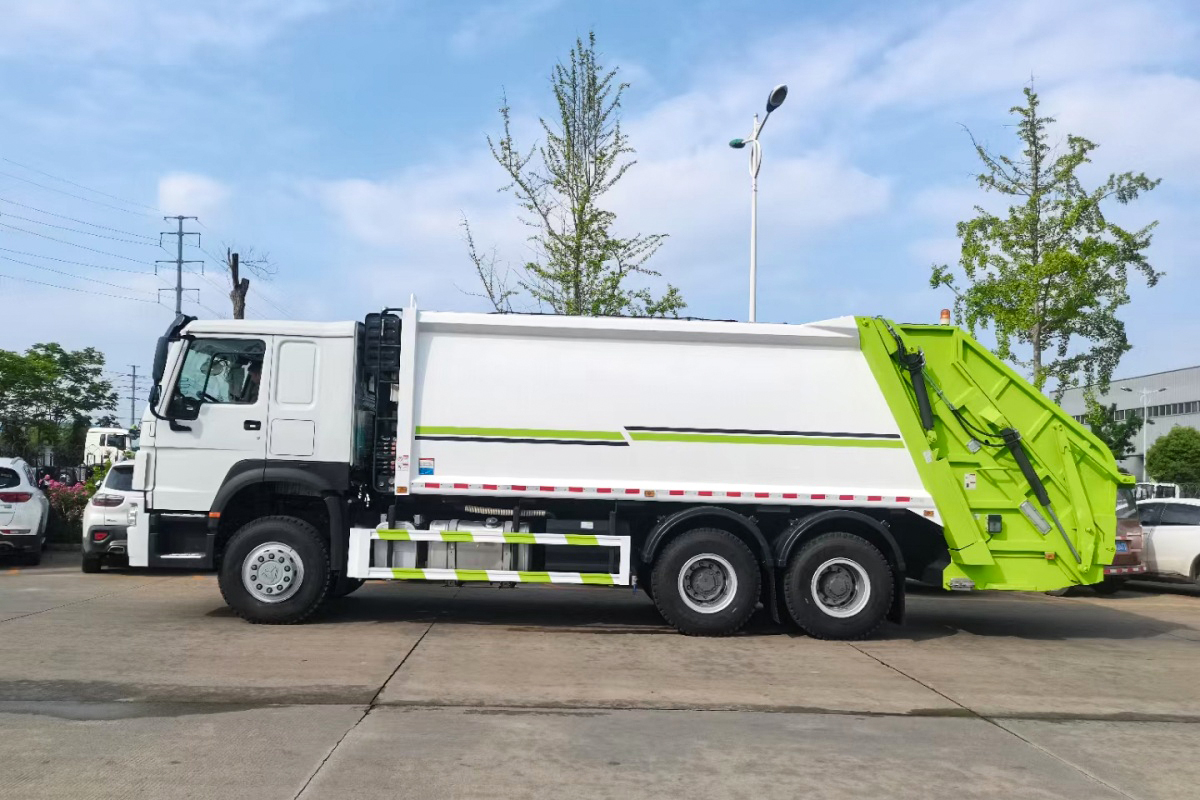
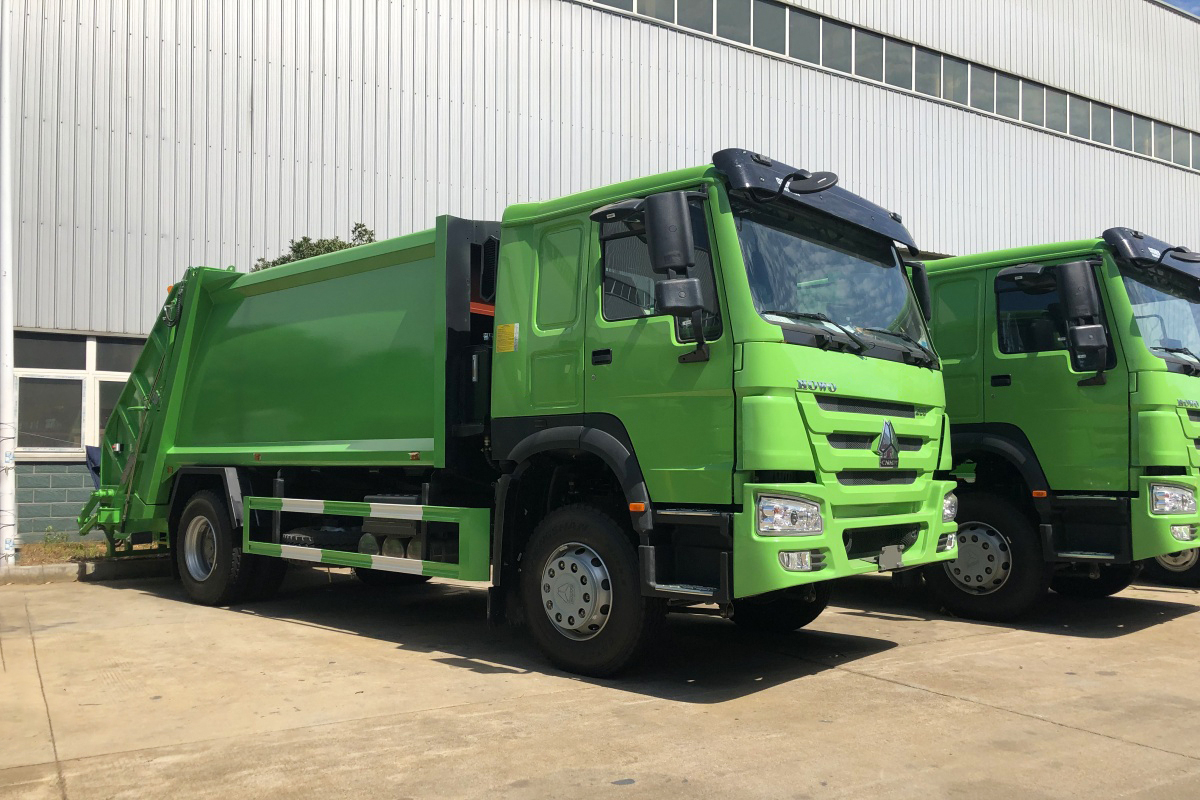
Most people see a compactorgarbage truck stop at the curb, lift a waste bin, and drive away—but few know what actually happens inside the truck after the trash disappears into the hopper.
Modern garbage trucks are far more than simple transport vehicles. They use advanced hydraulic systems, powerful compactors, and intelligent controls to compress large volumes of waste into a relatively small storage body. This process not only increases carrying capacity but also reduces the number of trips required to disposal sites, improving efficiency while lowering fuel consumption and operating costs.
In this article, we’ll take a closer look at what really happens inside a garbage truck, how the compaction process works, and why these specialized vehicles are essential for modern waste management.
Step 1: Waste Is Loaded into the Hopper
The process begins when household or commercial waste is emptied into the truck’s hopper.
Depending on the type of garbage truck, waste may be collected manually by sanitation workers or automatically using hydraulic lifting mechanisms that handle standard waste bins. Rear loader, side loader, and front loader garbage trucks each use different loading methods, but the goal is the same: transfer waste safely and efficiently into the hopper.
Once enough waste accumulates in the hopper, the compaction cycle begins automatically or at the push of a button.
Step 2: The Hydraulic Compactor Goes to Work
Inside the garbage truck, a hydraulic compaction system performs the real work.
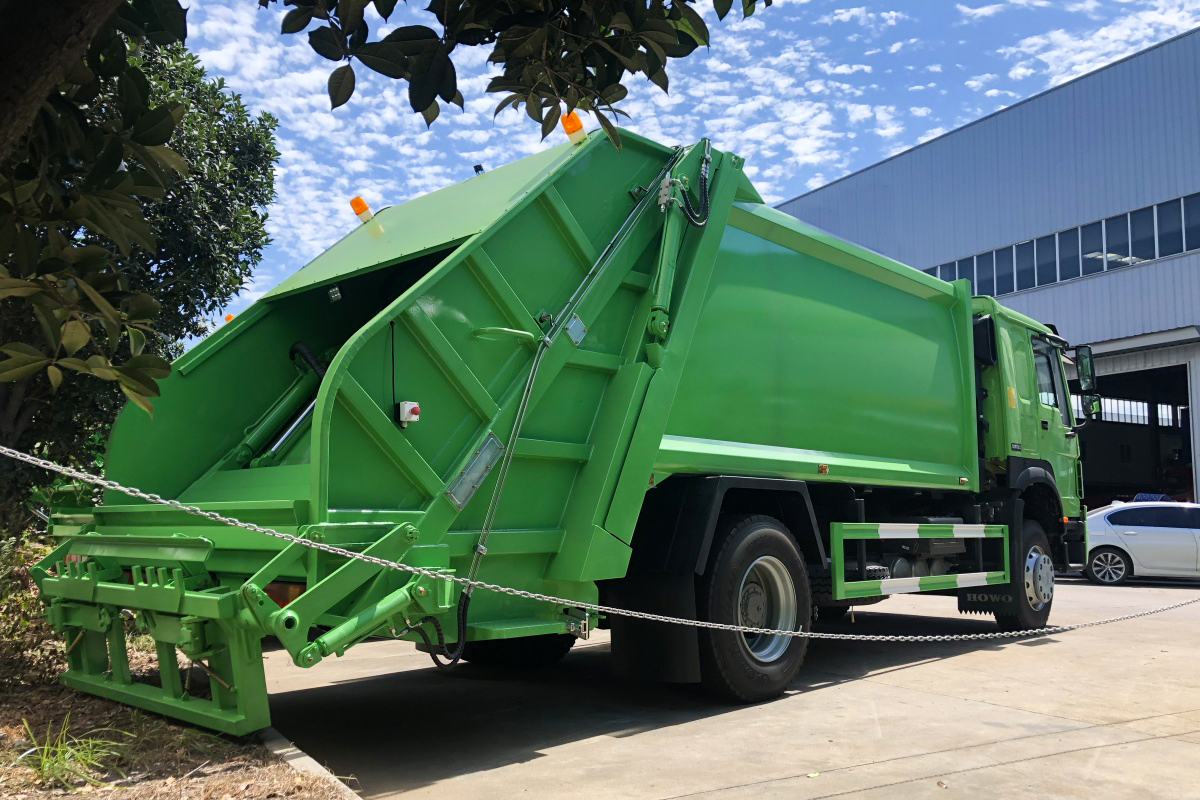
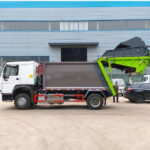
Powered by hydraulic cylinders, a heavy-duty packing blade or compaction plate pushes the loose waste from the hopper into the main body of the truck. During this movement, the waste is compressed under tremendous force.
Unlike simply filling a container with loose garbage, the compactor removes large air pockets between waste materials. This dramatically reduces the volume of trash without changing its actual weight.
Modern garbage compactor trucks can typically achieve a compaction ratio of 3:1 to 4:1, depending on the type of waste being collected. In practical terms, this means a truck can carry two to four times more waste than a non-compacting vehicle of the same body size.
Step 3: Waste Is Packed Deeper into the Body
Each time new waste is collected, the hydraulic system repeats the compaction cycle.
The packing blade continuously pushes newly collected garbage toward the front of the truck body while maintaining pressure on previously compacted waste. This creates a tightly packed load that maximizes the available cargo space.
As the truck travels along its collection route, this process repeats dozens—or even hundreds—of times until the body reaches full capacity.
Step 4: Leachate Is Collected Safely
One important feature that many people never notice is the leachate collection system.
As garbage is compressed, liquid may be squeezed from food waste and other organic materials. Instead of leaking onto the road, this liquid is directed into a dedicated leachate tank located beneath or inside the truck body.
This sealed system helps prevent secondary pollution, unpleasant odors, and environmental contamination during transportation. Many modern garbage trucks also include drainage valves that simplify cleaning after unloading.
Step 5: The Truck Heads to the Disposal Site
Once the truck reaches its maximum capacity, it travels to a landfill, transfer station, or waste treatment facility.
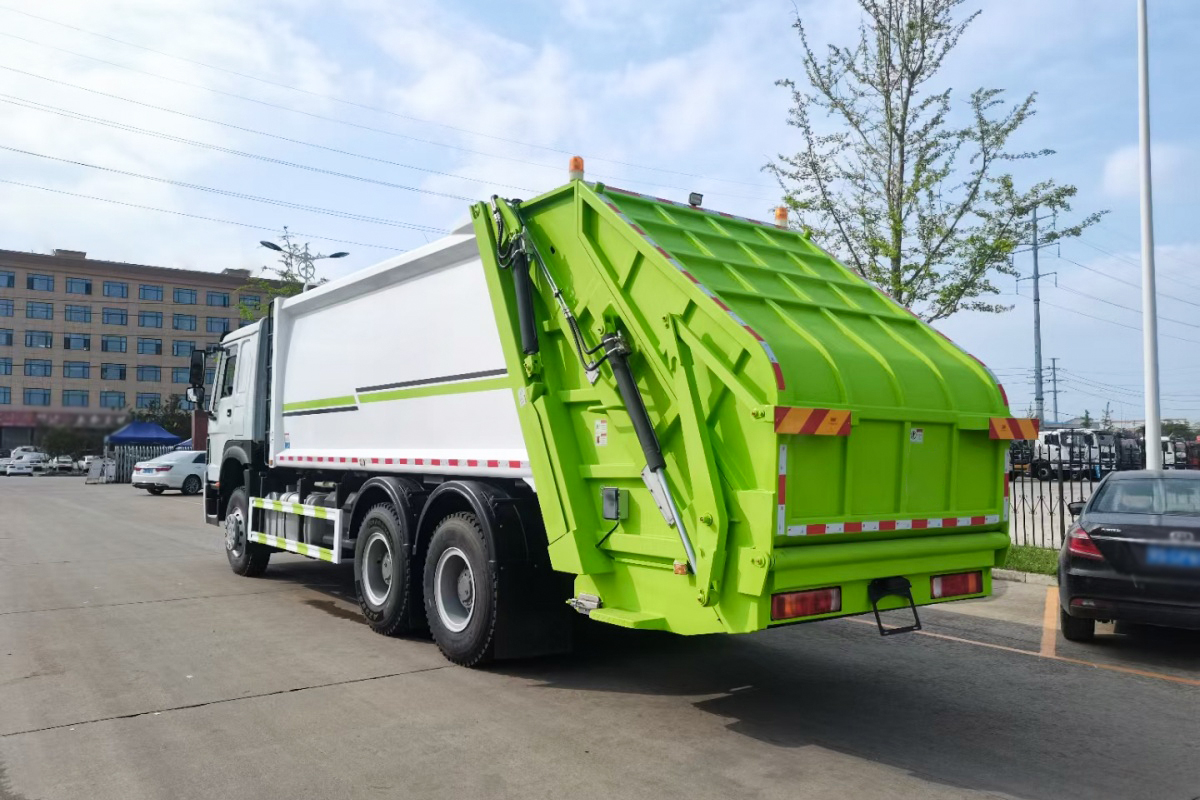
At the disposal site, the rear tailgate is unlocked hydraulically. An ejector plate or push-out panel then moves forward inside the truck body, pushing the compacted waste out in one continuous operation.
Unlike ordinary dump trucks that rely mainly on gravity, many garbage compactor trucks actively eject the waste, ensuring complete unloading even when the load is tightly compressed.
After unloading, the truck is cleaned if necessary and returns to its collection route.
Why Compacting Garbage Matters
Without compaction, garbage trucks would fill up much more quickly, requiring additional trips to disposal facilities.
Compaction offers several important benefits:
Carries significantly more waste per trip
Reduces transportation costs
Improves fuel efficiency
Lowers fleet operating costs
Reduces traffic caused by waste collection vehicles
Minimizes litter escaping during transport
Supports cleaner and more efficient cities
For municipalities and waste management companies, these advantages translate into lower operating expenses and improved collection efficiency.
Different Types of Garbage Trucks
Not all garbage trucks operate in exactly the same way. Different collection methods are designed for different environments.
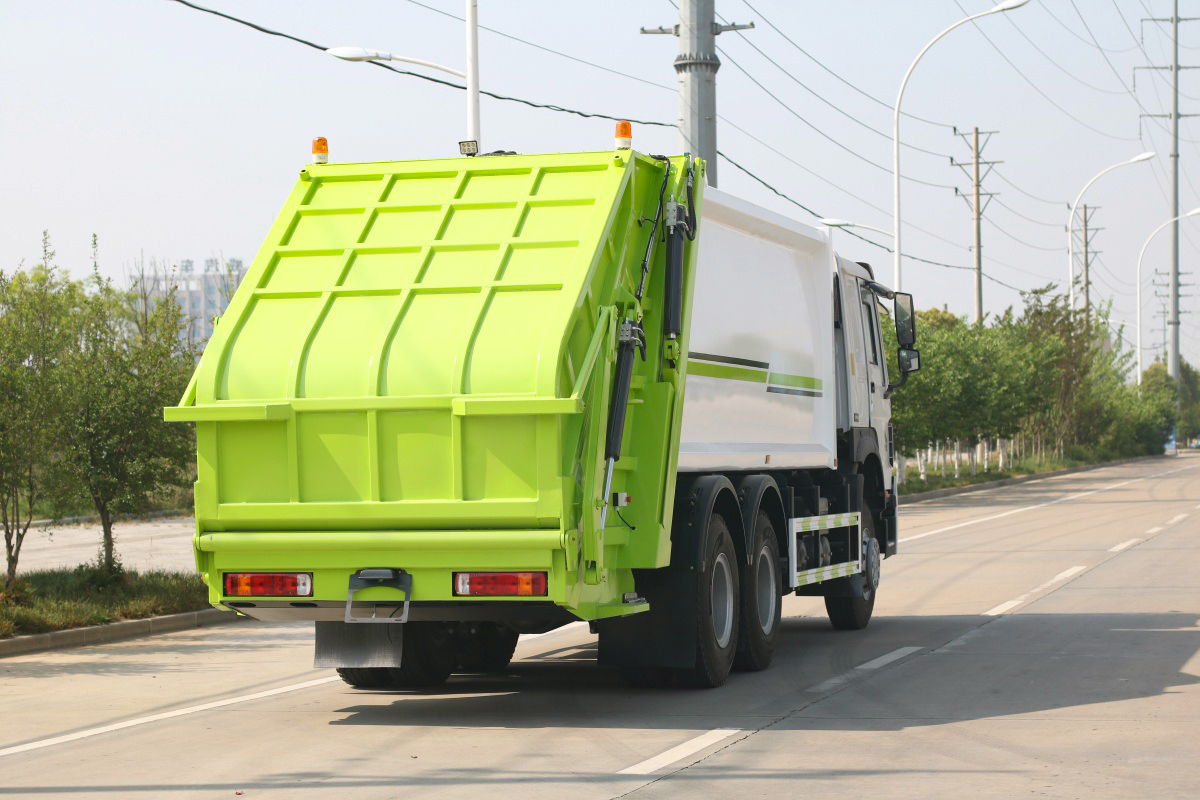
Rear Loader Garbage Trucks are the most common choice for residential waste collection, allowing operators to manually or mechanically load waste from the rear.
Side Loader Garbage Trucksuse hydraulic arms to automatically lift and empty bins from the side of the vehicle, reducing labor requirements and improving efficiency on residential routes.
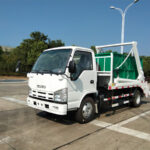
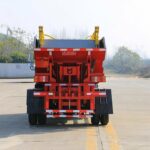
Hook Loader Garbage Trucks are designed to transport interchangeable roll-off containers using a hydraulic hook lift system. Instead of compacting waste inside the truck body, they quickly load, unload, and exchange containers for construction debris, industrial waste, recyclable materials, and municipal refuse. Their versatility allows a single truck to serve multiple container sizes and applications, making them an efficient solution for waste transfer and container transportation.
Each type serves a different operational purpose, allowing municipalities and waste management companies to choose the most suitable vehicle for their specific collection and transportation needs.
The Technology Behind Modern Garbage Trucks
Today’s garbage trucks incorporate advanced technologies that improve productivity and safety.
Many models feature PLC electronic control systems, one-button automatic compaction cycles, wireless diagnostic systems, reversing cameras, overload protection, and intelligent hydraulic controls. Electric and hybrid garbage trucks are also becoming increasingly popular, offering lower noise levels, zero tailpipe emissions, and reduced maintenance costs for urban sanitation fleets.
These innovations help operators collect more waste with fewer resources while improving reliability and reducing environmental impact.
Looking for Reliable Garbage Truck Solutions?
Whether you need a rear loader, side loader or electric garbage truck, choosing the right vehicle can significantly improve waste collection efficiency and reduce operating costs.
CSCTRUCK Municipal offers a complete range of garbage compactor trucks and customized waste management solutions for municipalities, contractors, and fleet operators worldwide. Contact our team today to find the ideal garbage truck for your waste collection needs.