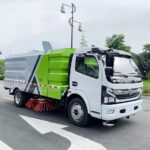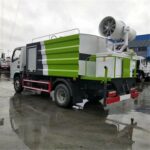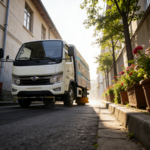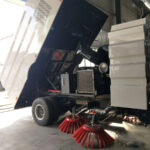
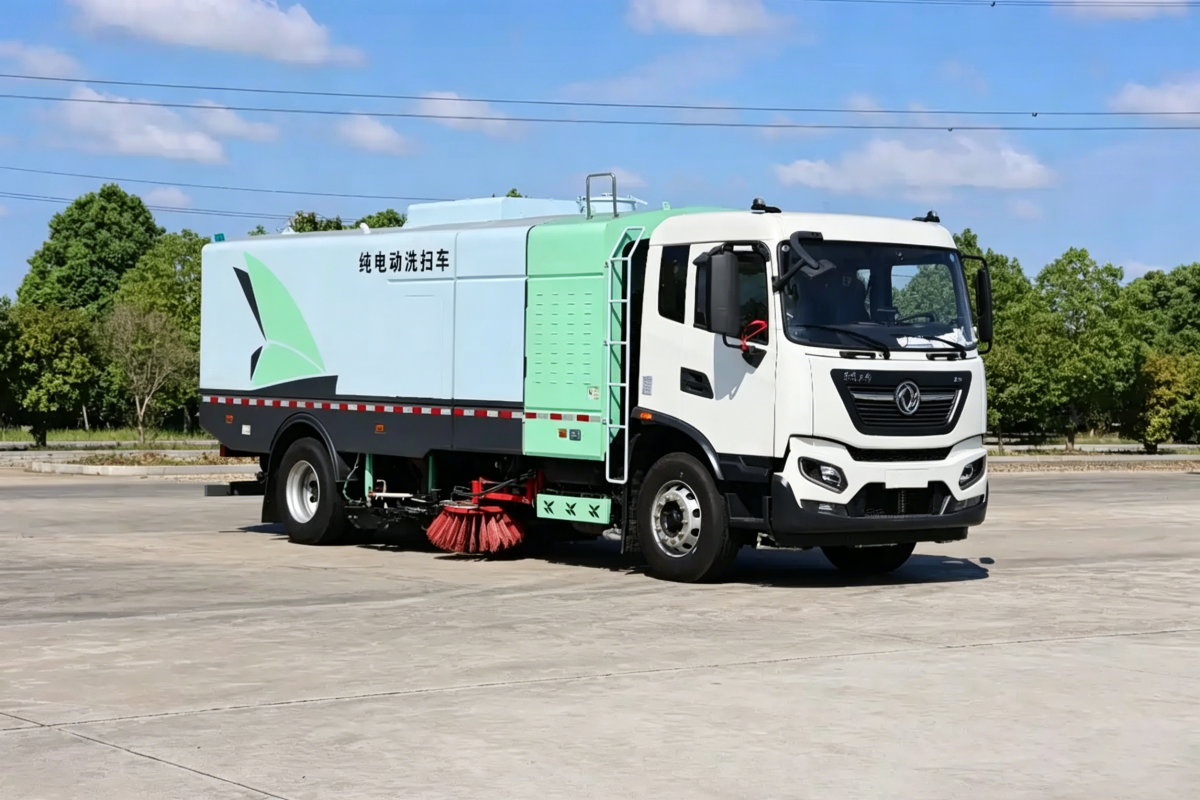
Electric sweeper trucks are quietly reshaping how cities keep streets clean—literally and acoustically. Instead of the familiar rumble of diesel engines and the early-morning roar that wakes neighborhoods, a new generation of fully electric sweepers is turning urban sanitation into a near-silent, low-emission operation.
At their core, these machines replace combustion engines with battery-electric drivetrains while keeping (and often improving) the traditional street-cleaning toolkit: rotating side brushes, central sweeping rollers, suction systems, water mist dust suppression, and large debris hoppers. The difference is that all of it runs with far less noise, no tailpipe emissions, and smoother torque delivery.
Why cities are switching to electric sweepers
The shift isn’t just about “being green”—it’s about making city operations more practical in dense environments.
Noise reduction is the biggest visible change.
Electric sweepers can operate early morning, late at night, or in pedestrian zones without the constant diesel drone. Many are described as “whisper-quiet,” making them suitable for hospitals, schools, parks, and historic districts where noise matters as much as cleanliness.
Zero local emissions improve air quality.
Because they run on batteries, they eliminate exhaust pollution right where people breathe—especially important in congested downtown corridors and indoor or semi-enclosed spaces like transit hubs or parking structures.
Lower operational complexity.
Many modern electric designs remove or simplify hydraulic systems, which reduces mechanical losses, maintenance needs, and fluid-related servicing.
How the technology actually works
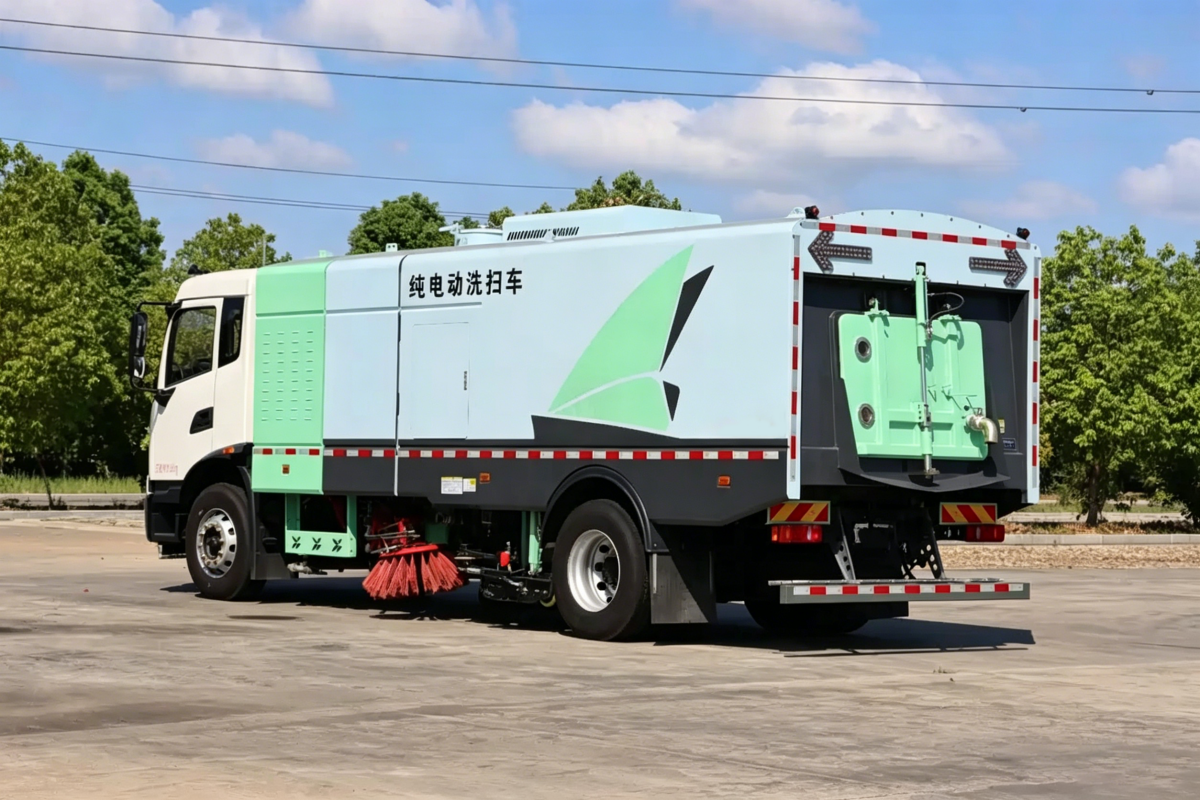
Electric sweeper trucks aren’t “just trucks with batteries.” They’re redesigned systems:
- Battery packs (often lithium-ion or LiFePO₄) power both traction and cleaning systems
- Electric motors independently drive movement, brushes, and suction fans
- Regenerative braking can recover energy during stops and downhill operation
- Water spray systems suppress dust without relying on engine vacuum power
- Smart control panels and cameras help operators work precisely in tight city streets
Some compact models can run a full shift—up to 8–10 hours depending on configuration and workload—before recharging is needed.
What makes them different from traditional sweepers
Compared with diesel street sweepers, electric versions change three major things:
1. Better urban compatibility
They’re designed for places where diesel machines struggle:
- pedestrian malls
- cycle lanes
- campuses and hospitals
- residential streets at night
2. Cleaner operation
No exhaust plume, no fuel odor, and reduced fine-particle disturbance thanks to improved dust control systems.
3. Lower noise footprint
This is arguably their defining feature—allowing cleaning schedules that were previously impractical in dense neighborhoods.
Real-world examples of this shift
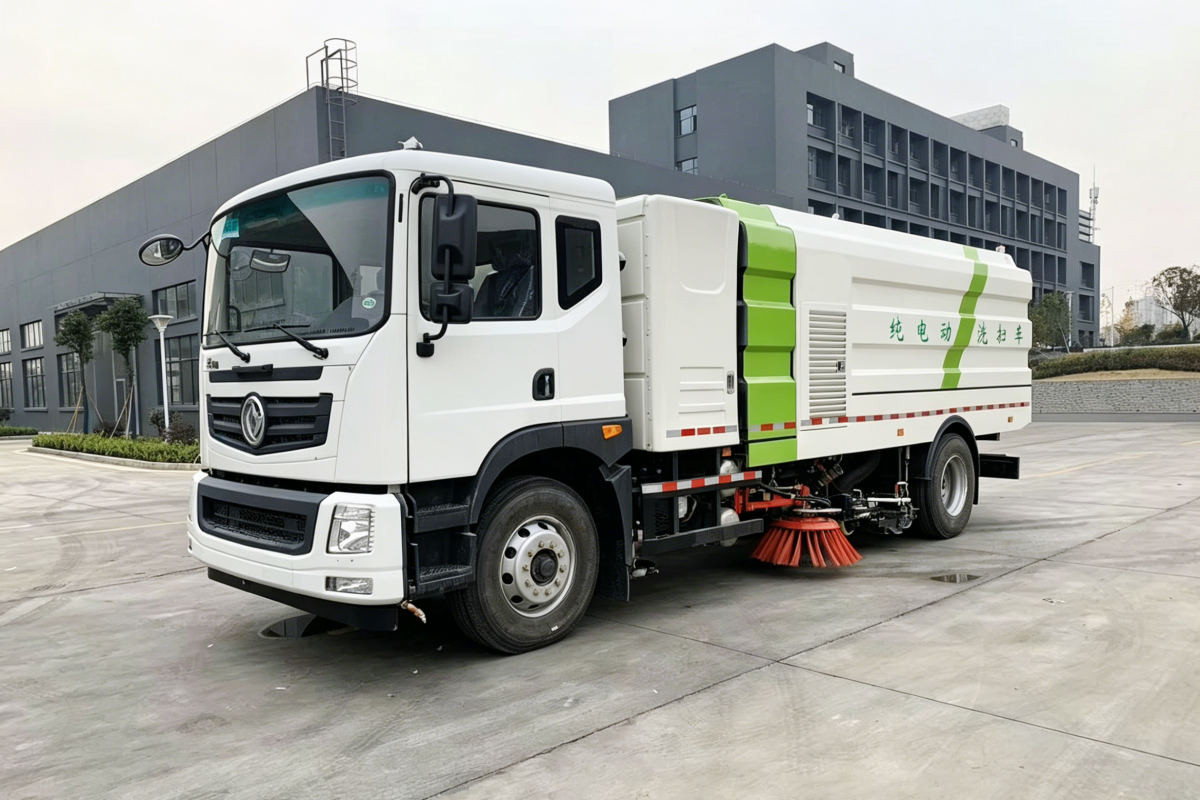
Across manufacturers and municipal fleets, fully electric compact sweepers are already in use:
- Compact sidewalk and pavement sweepers for narrow zones
- Mid-size urban sweepers with full-day battery capacity
- Larger municipal-grade electric sweepers for city centers and campuses
Together, they point to a broader trend: cities are not just experimenting—they’re gradually electrifying entire sanitation fleets.
The “quiet revolution” in context
What makes electric sweeper trucks feel like a revolution isn’t only the engineering—it’s the change in urban experience.
Street cleaning used to be something residents noticed—early morning noise, diesel smell, and temporary disruption. Now, in many pilot cities and deployments, it becomes something you might not even hear at all, while still getting done more frequently and cleanly.
In other words, the technology is shifting street cleaning from a disruptive necessity to a background service—like street lighting or Wi-Fi infrastructure: always on, but rarely intrusive.